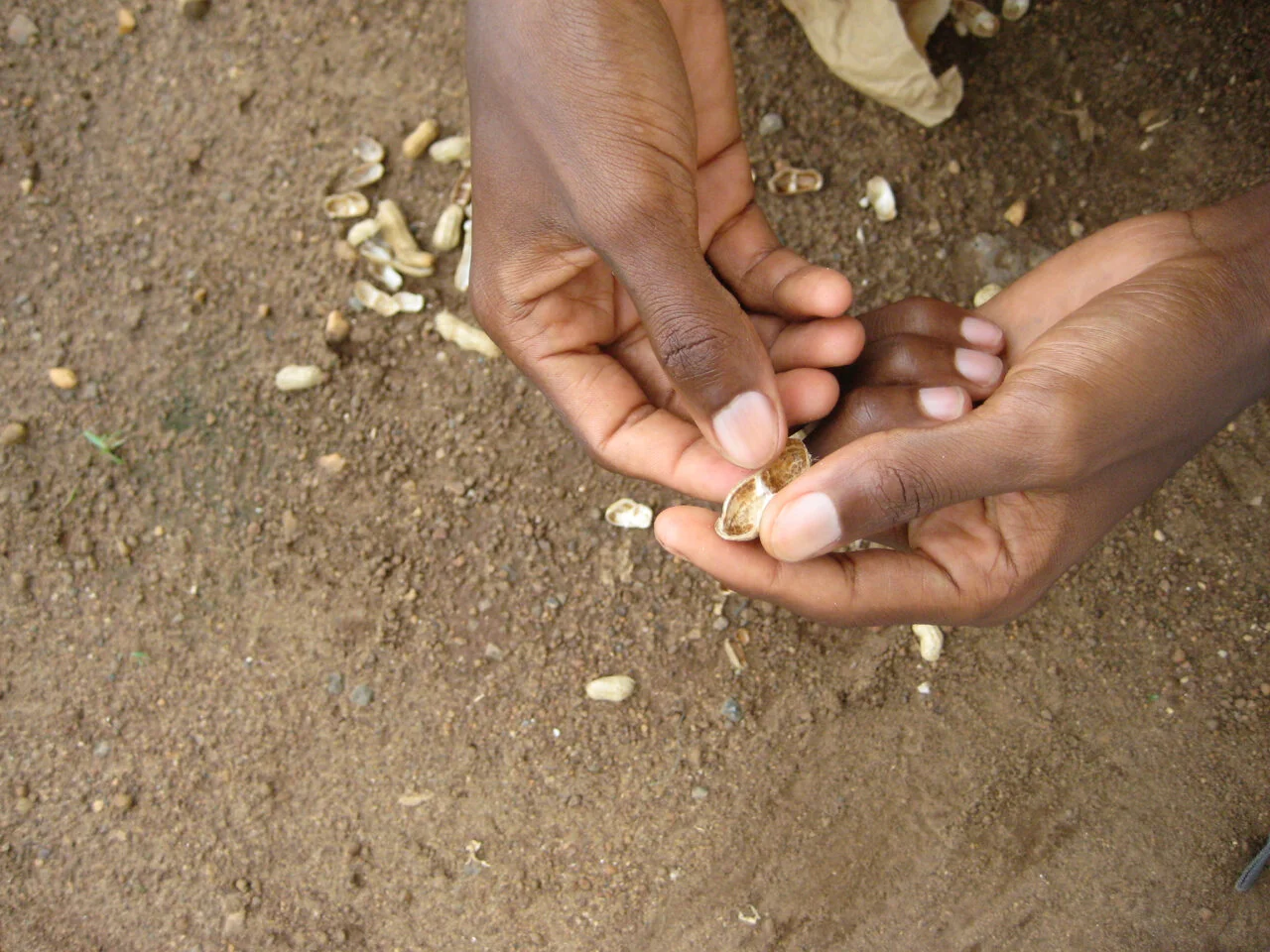
A story of hands
My work focuses on the universal and intimate stories which are communicated by hands. The images delve, honour, smile, lament and ultimately serve as a powerful visual reminder that our journeys are shaped and enabled by others.
I love how expressive hands are. They are so personal and simultaneously shine a light on our common humanity.
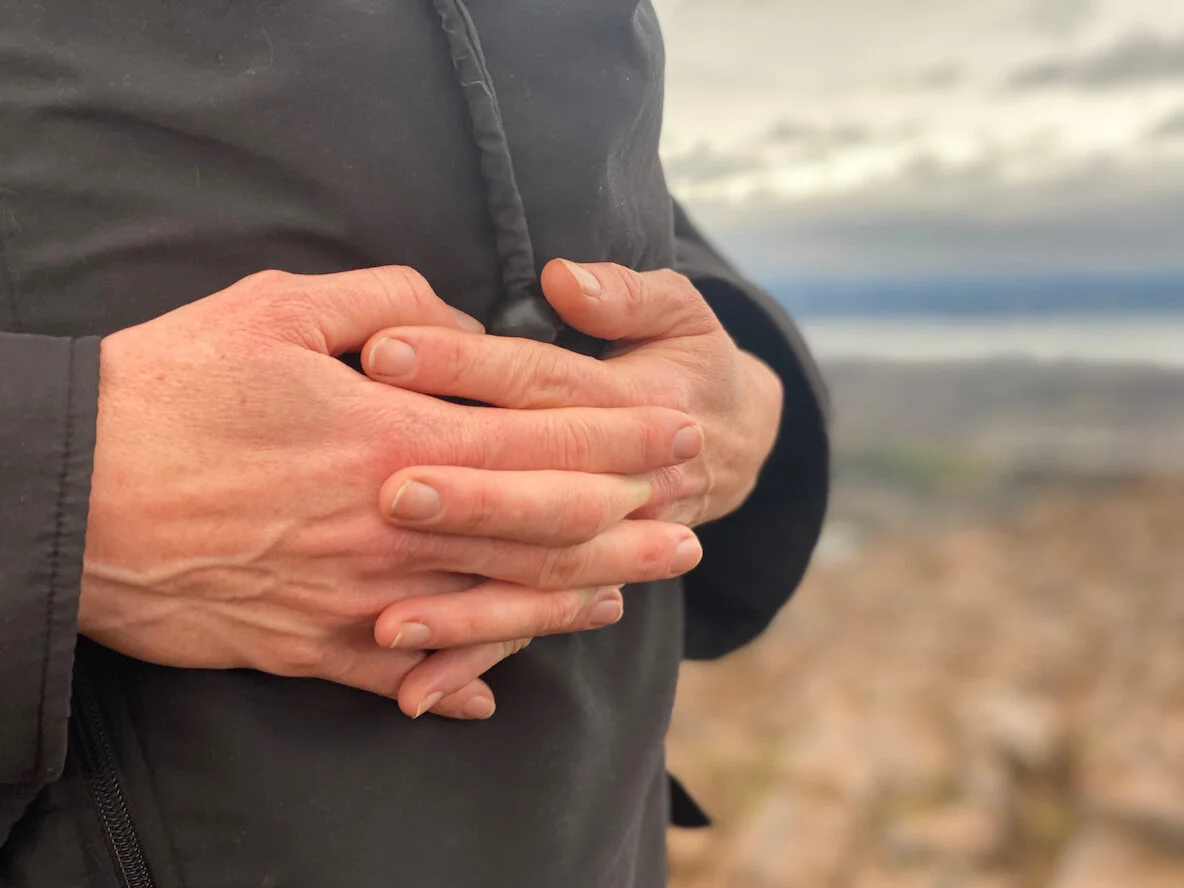
Why I photograph hands
I love how expressive hands are, that they are intimate and personal – ordinary even – and yet at the same time they point strongly to our common humanity.
Photographing and exhibiting hand portraits is one way in which I choose to acknowledge, honour and remember encounters and conversations with others. It’s my way of pausing and saying ‘this has mattered to me’.
Here are just some of the reasons I am drawn to hand portraits:
I love how expressive hands are. Like our faces, hands typically augment and colour the stories we tell. They speak to things that lie beyond and behind words. Yet surprisingly in the every day we seem to barely notice or remember them – unless they’re not there or are shaped differently, have gathered scars or carry dramatic adornments.
I love too that hands are so intimate and personal – yet strongly universal. I love that they can connect us with the ordinary warmth, joy, pain and beauty of being people together on a shared planet.
I love the way images of hands awaken our imagination. We connect to the things we hold in common, and are intrigued when the meaning of these images is harder to read.
Though both connecting and affecting I appreciate that images of hands also preserve a kind anonymity – the person in the image is unknown, except to their most intimate companions. I deliberately exclude the face. In this way, when the image is presented publicly, the power remains more clearly with the person being photographed. It is a representation of a very particular moment – typically one that was private, and shared between just them and me. It is about our relationship and this moment of encounter.
I love that it is usually OK to photograph someone’s hands. For many of us, having our faces photographed can feel uncomfortable and for many it is offensive. Yet I’ve discovered that photographing hands is generally less invasive for people.
I’ve also noticed that when we view traditional facial portraits we can be very quick to judge what we think is happening for the person in the image. With hand portraits, it seems we’re less visually literate – we make fewer assumptions, we ask more questions. As a result perhaps we are humbler and better able to honour or engage with what (and who!) we are seeing.
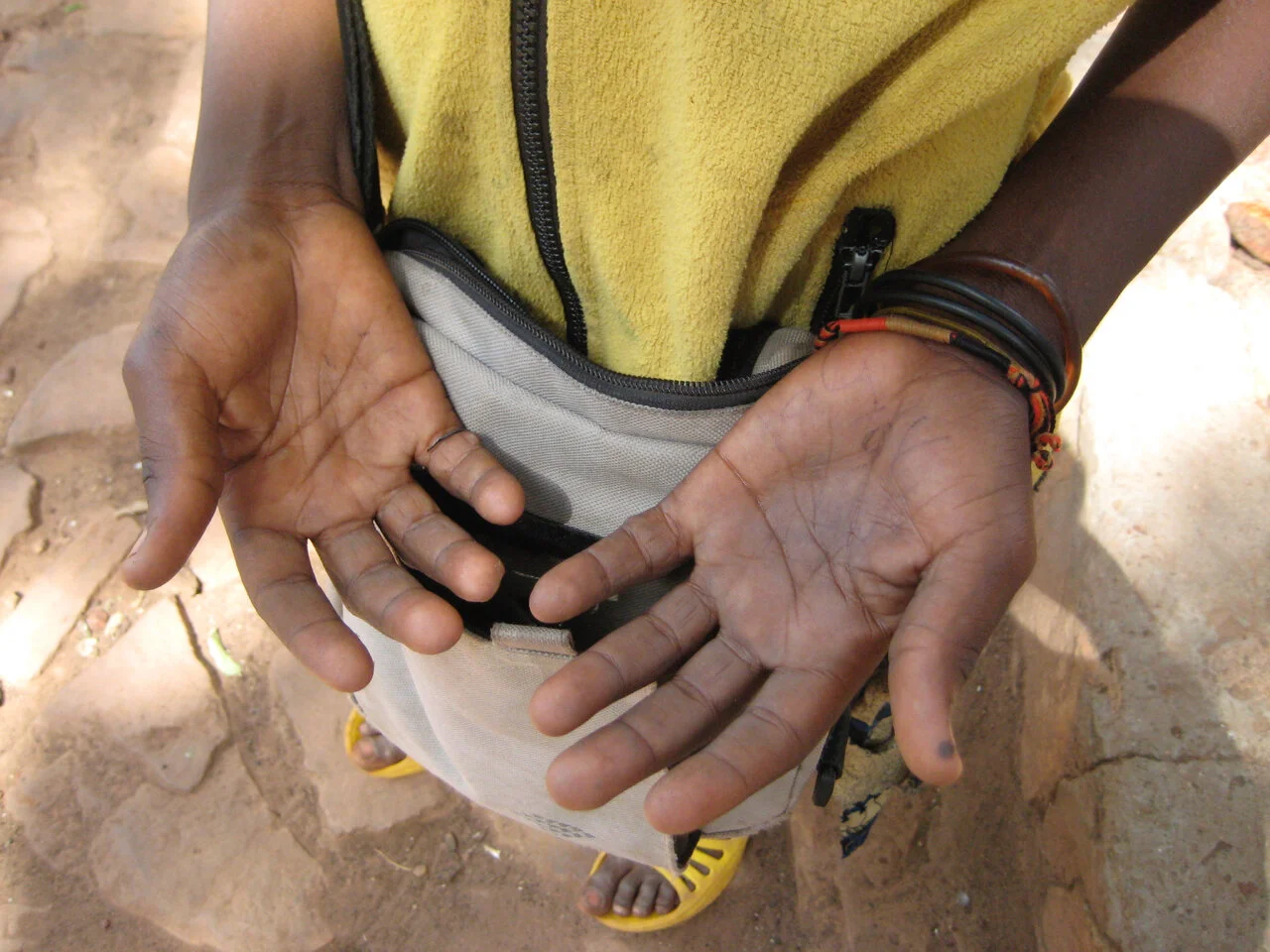
Crafting titles
How we tell stories – and who’s story we tell – matters. This guides how I title to the work.
Each image is a visual story of a moment in time, an encounter between me and someone else, or a group of people.
I enjoy adding layers to the visual story in how I introduce titles. Each follows a standard format.
The main title is always unique, and a poetic little ‘evocation’ that arises in me when I remember this encounter.
The ‘subtitle’ always consists of four elements:
First, I name the person in terms of a ‘role’ they are currently gifting the world. (I try to use ones that are common around the world – so I preference widespread roles (like ‘scientist’ or ‘doctor’) rather than more niche ones (like ‘neurobiological physicist’).
Next, I describe an action that was part of our conversation or encounter – the verb.
Then, I name an emotion I was feeling at the time – just one, thought there are always many to choose from! This - like the main title - is an important way in which I try to own and offer my part of this story. The emotions are always about me – not the person I’m photographing.
Finally, I give the location where this encounter took place, grounding us in a particular place on our shared planet.
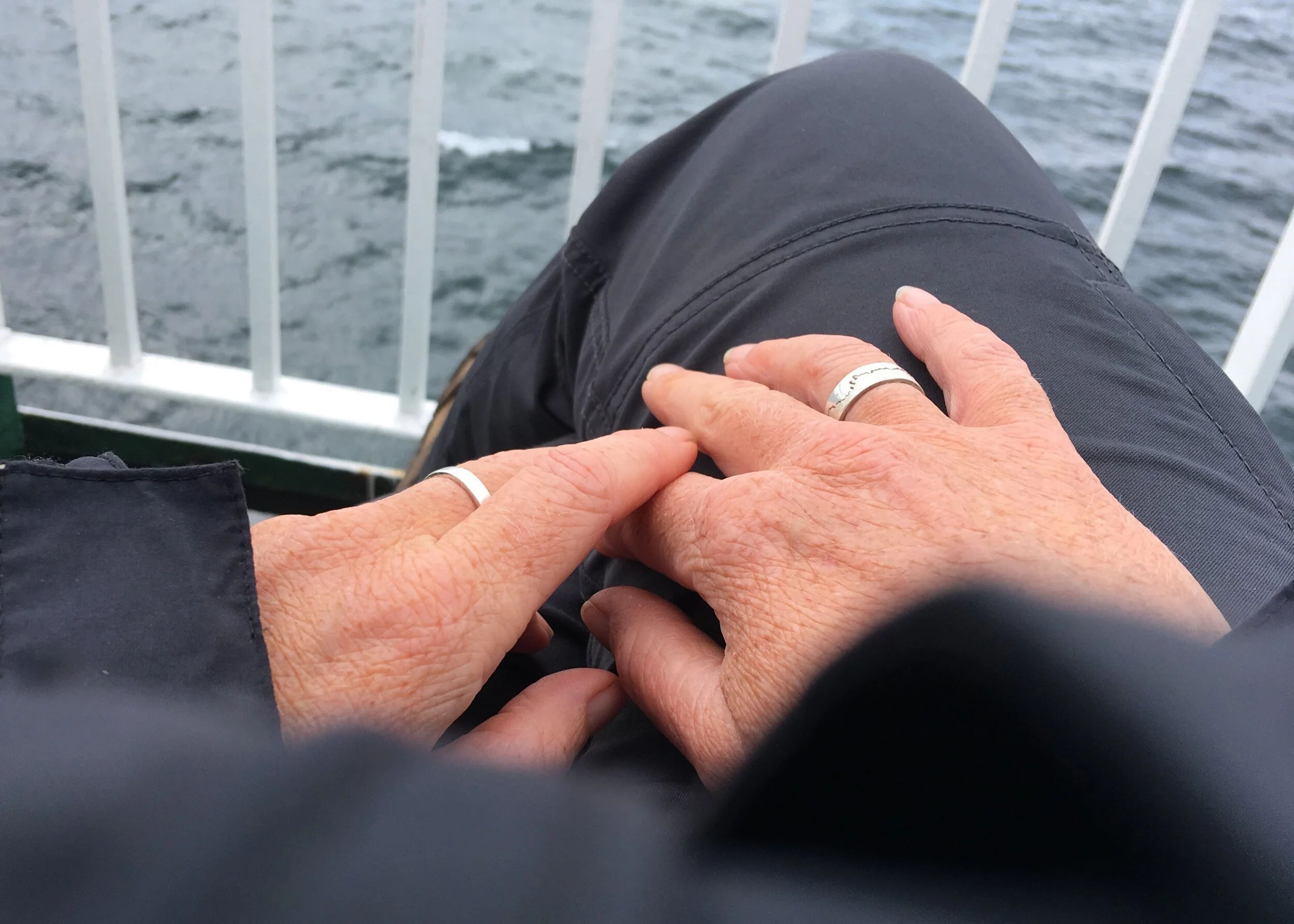
How it started,
How it grew
I’ve been photographing hands portraits since 2002. It started with friends and family, and has grown into a wider project photographing those I meet, work with and live beside.
In approaching a ‘decade’ birthday, I was thinking about how I would celebrate or honour this transition. I had recently discovered this quote, which I love:
We all mould one another’s dreams. We all hold each other’s fragile hopes in our hands.
– Author unknown
With this in mind, I crafted little package of paper treasures, including this quote and a photograph of my own hands and sent it to dear friends and loved ones. In it, I included a personal note thanking them for the ways they had shaped my life and made it possible. In return, I asked for a photo of their hands.
I soon discovered that I was more likely to get a photograph of their hands if I took it myself!
This has sparked my wider interested in photographing hand portraits – with the project growing into me photographing those I meet, work and live beside.
It is people who make our lives possible, and this project seeks to honour this.
Encounter over excellence
Through this project I’ve discovered how difficult it can be to get a great photograph of hands!
Hands typically move a lot – especially young hands – which makes focusing a particular challenge. Their shapes and the usual ‘paired’ nature, make for compositions that are easily dull or awkward. And like faces, hands can also quickly become stiff under the gaze of a camera.
In addition to trying to get a good photo of the hands – where they are in focus and within an interesting composition – I am also trying to both be in and capture ‘the moment’ we are sharing.
Right from the start of this project I have preferenced ‘relationship in the moment’ over ‘getting the best image’. I take these photos to honour each encounter and I never want the the photography to be a distraction or trigger discomfort for the person I’m photographing.
As such, I typically have very little time to frame an engaging photo, I take very few images and I don’t check or analyse the images in detail at the time – so I never know if I have ‘the shot’.
I keep practicing; exploring how best to take beautiful, non-invasive images, in the briefest of moments, that tell connecting stories.
This discipline helps to hone my craft. It also means I take loads of ‘bad’ photographs! Yet each of them matter, and many of them are loved.
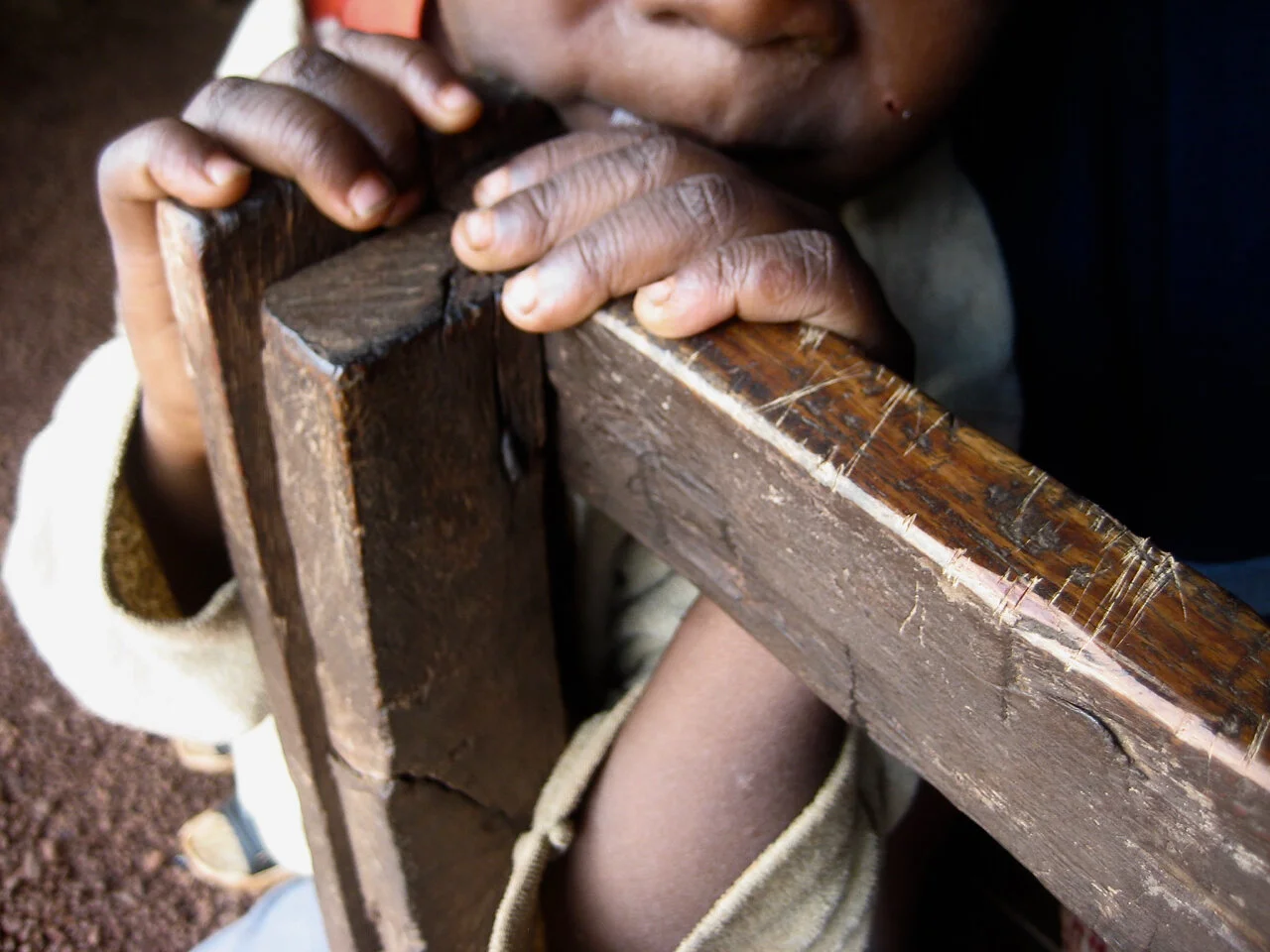
The photo above – ‘On the Road to Kundara’ – is a good example. With the focus on the scratch marks rather than the fingers, it isn’t one destined for any photography awards! And yet, the moment and this boy are both reflected here and are embedded in me.
The encounter with this child broke my heart. All of that is captured here. This image remains one of my most treasured for both the emotional and the aesthetic reasons. Somehow it is to me a ‘whole’ representation of that moment, with this boy, on that road.
Crafting arresting images is a perpetual challenge. Visually remembering and sharing these encounters is always a deep honour.